BACKGROUND
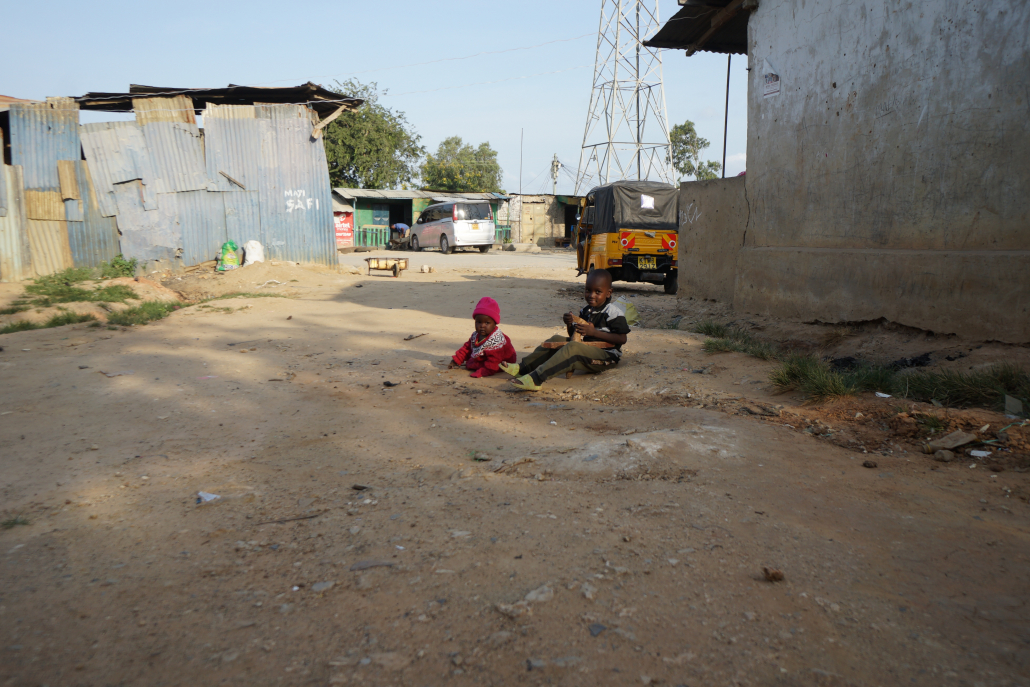
In Mombasa, Kenya’s second-largest city, slums have existed since the city’s earliest development. Today, approximately 50 such neighbourhoods lacking urban utilities and adequate public services can be found across the city, where an estimated 65% of the inhabitants is compelled to reside.
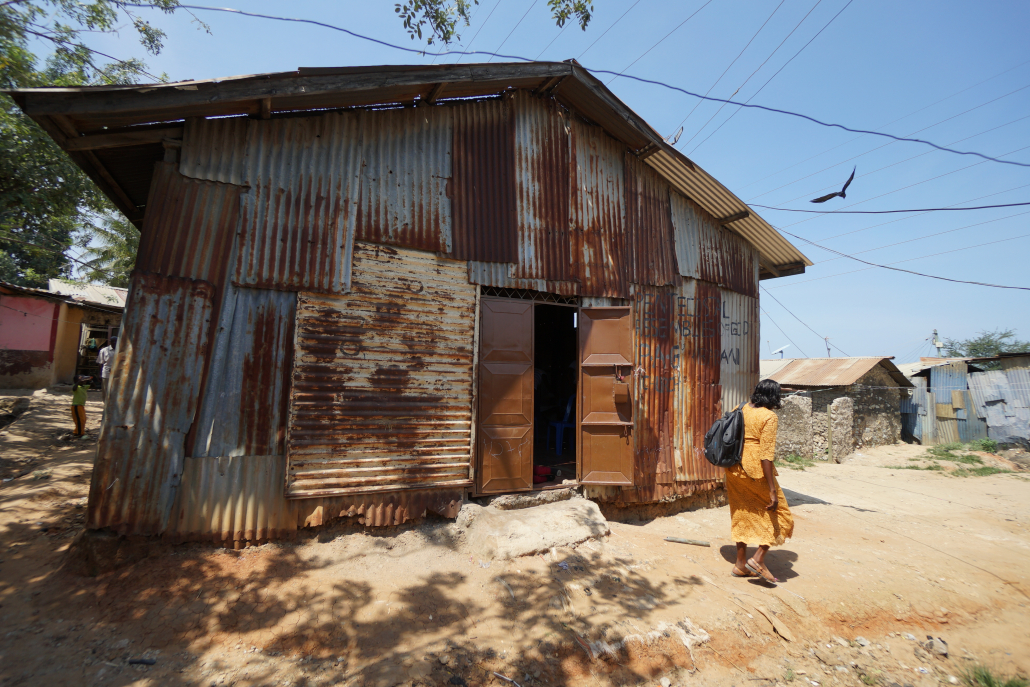
Bogo Bogo is a relatively young informal settlement located in the Jomvu district of Mombasa. The district has a total population of approximately 23,000 people, the majority of whom live in slums. Living standards in Bogo Bogo are extremely low, and residents face numerous daily challenges. The lack of access to safe and clean drinking water, inadequate hygiene conditions, unemployment and the resulting extreme poverty have had a severe impact on the health status of the local population.
The proportion of children with disabilities within the settlement is exceptionally high, amounting to approximately 200 minors who have virtually no access to healthcare services or appropriate support. Mothers – most of them single parents – who provide round-the-clock care for their children find themselves in a particularly vulnerable and often hopeless situation, as their caregiving responsibilities prevent them from undertaking employment that could otherwise enable them to finance medical treatment and therapy.
ABOUT THE PROGRAMME
DURATION
2024-2026
DONORS
Order of Malta Donors for Projects – OMDP
PARTNERS
Maji Na Ufanisi, Mombasa County Government, Association for the Physically Disabled of Kenya, National Council for Persons with Disabilities, Kenya Institute of Special Education
OUR OBJECTIVES
The objective of the project is to support the affected families by integrating Hungarian expertise in special needs education, to improve the quality of life of children with disabilities through specialised pedagogical development and therapeutic interventions, and to promote their social and educational inclusion.
HOW WE PROVIDE SUPPORT
The programme is implemented within the framework of a broad professional cooperation, involving not only Hungarian specialists but also local Kenyan healthcare and special needs education stakeholders. Through comprehensive training and community development activities, we aim to establish sustainable local expertise capable of providing long-term support not only to the affected families but also to adults living with disabilities.
We facilitate their access to the local service system and relevant advocacy organisations. We encourage the establishment of self-help groups, which seek to ease the burden on parents and thereby support their access to employment.
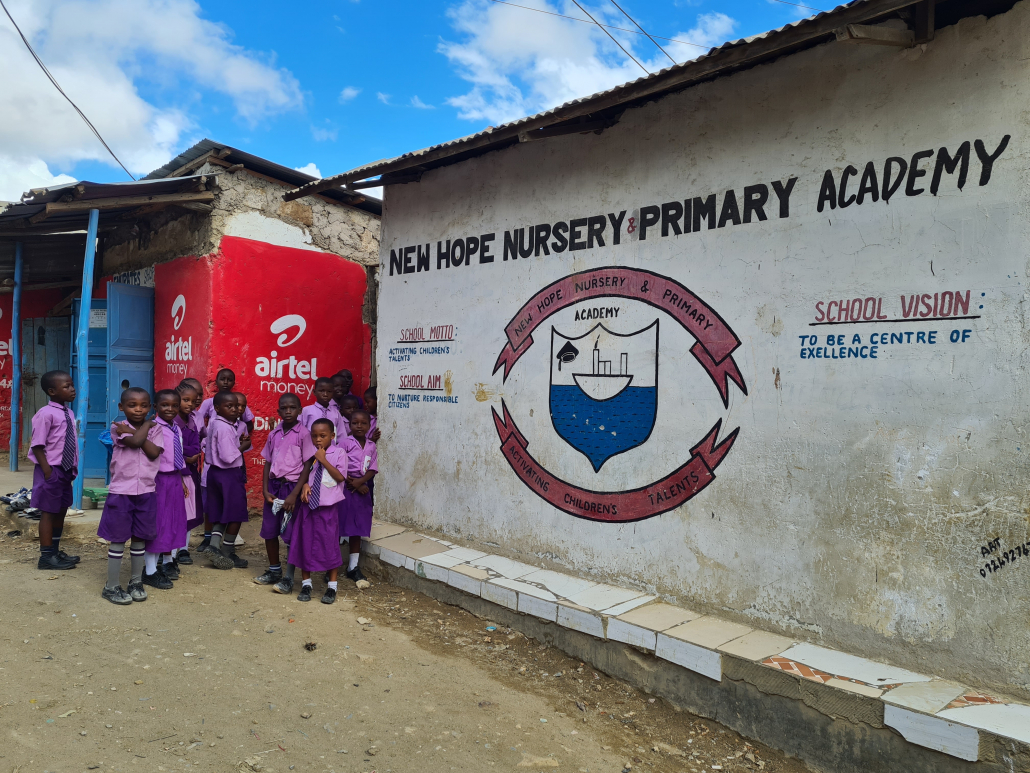
Individual therapeutic plans are developed for the 72 children participating in the programme, with the aim of maintaining and improving their condition. In order to promote educational inclusion, we are making the privately established New Hope Primary School operating within the slum accessible and preparing its teaching staff professionally to receive and educate children with special educational needs.
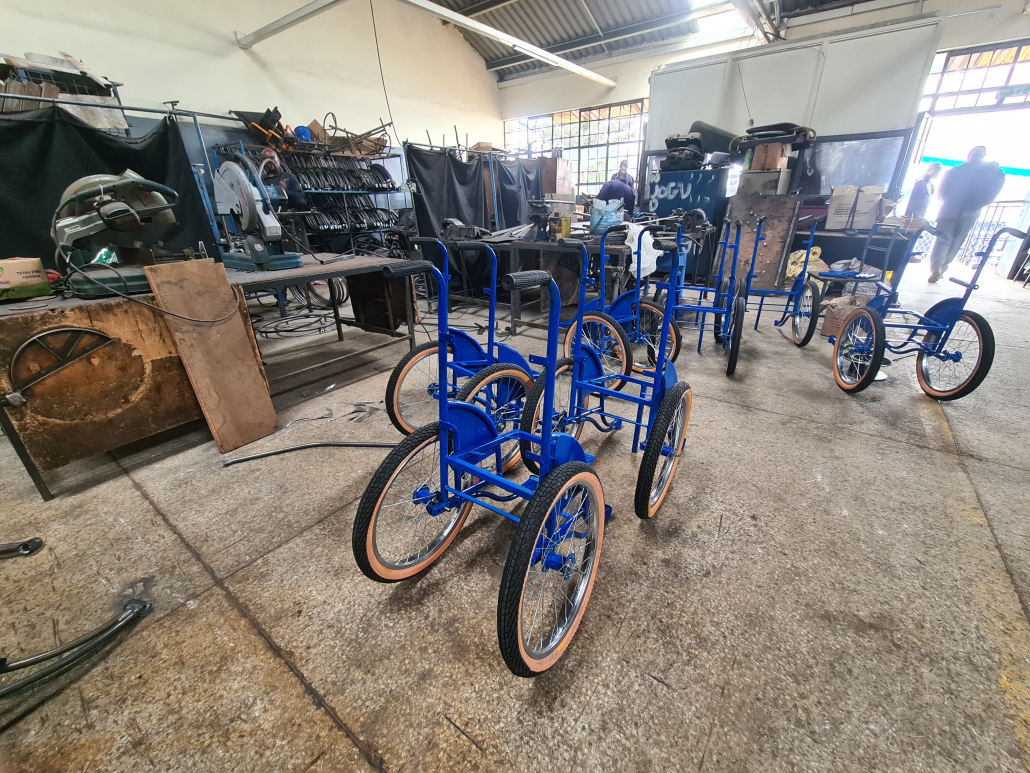
Through our related fundraising campaign, we also strive to cover the children’s need for medical assistive devices.
GALLERY
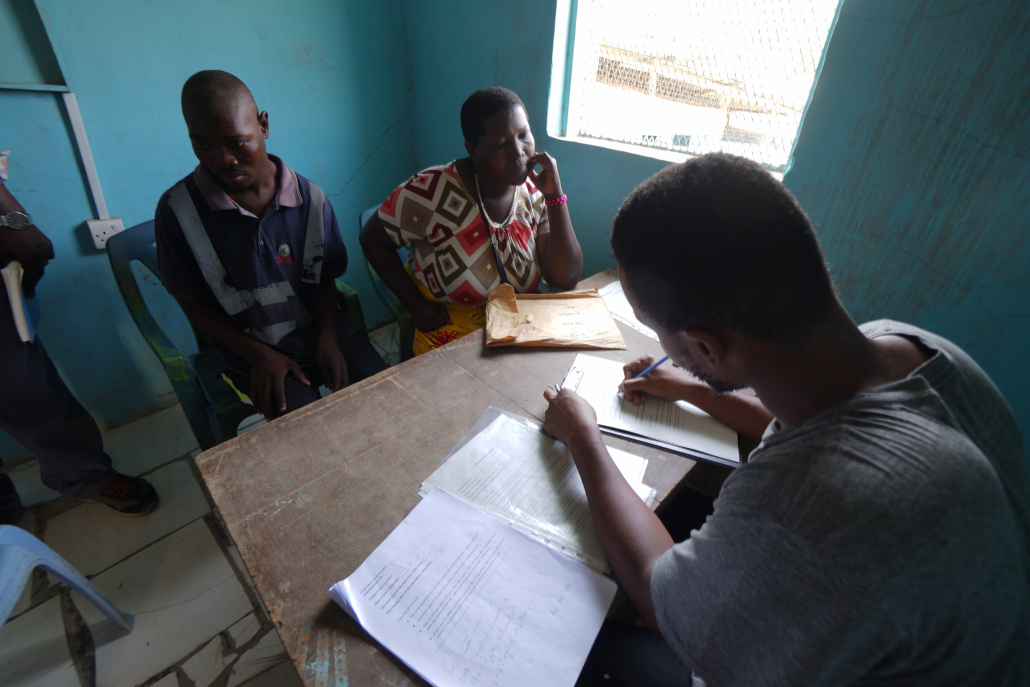
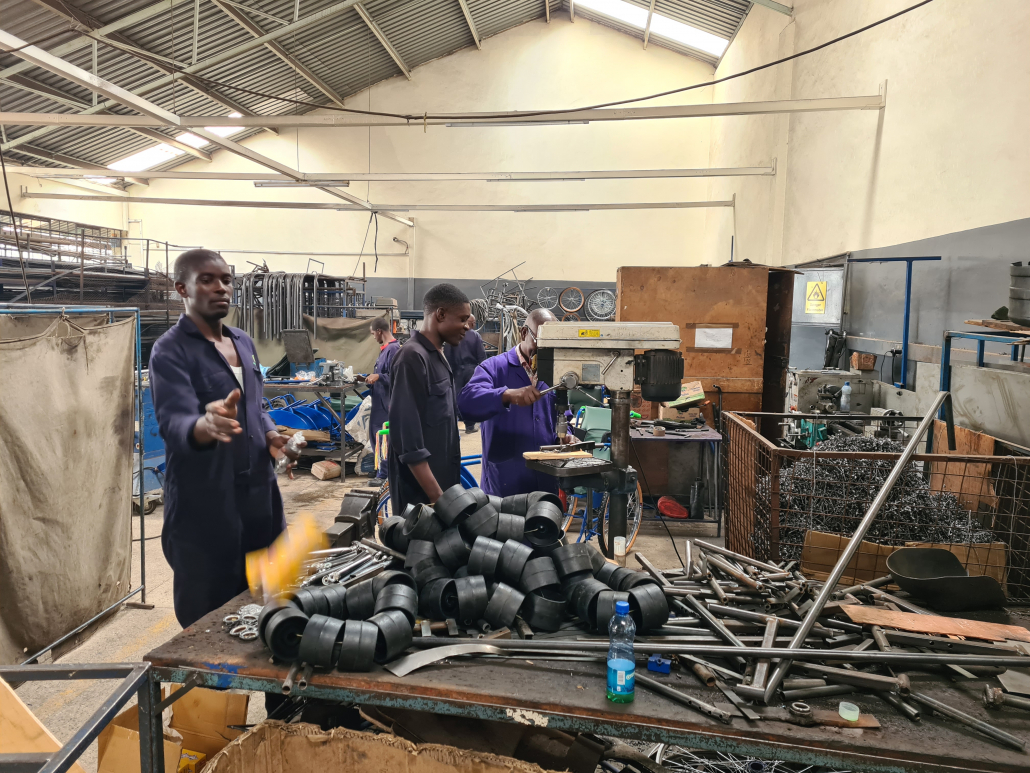
The programme in pictures

National Headquarters
Department of Foreign Affairs
Hungary, 1011 Budapest, Bem rakpart 28.
Tel.: +36-1-391-4700
Fax: +36-1-391-4728
E-mail: nemzetkozi@maltai.hu