BACKGROUND
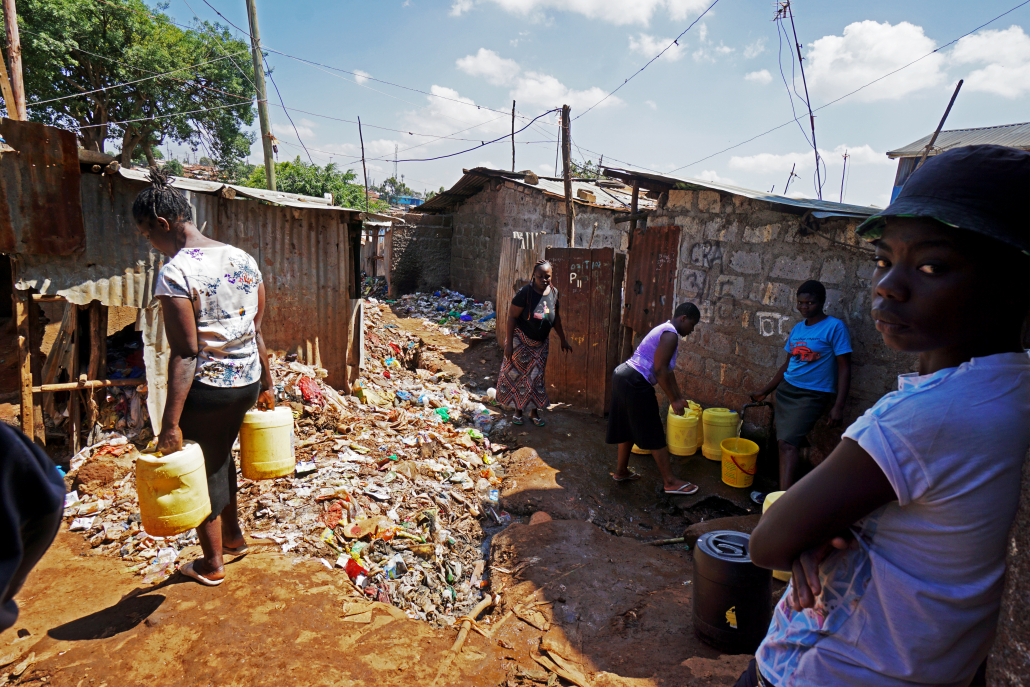
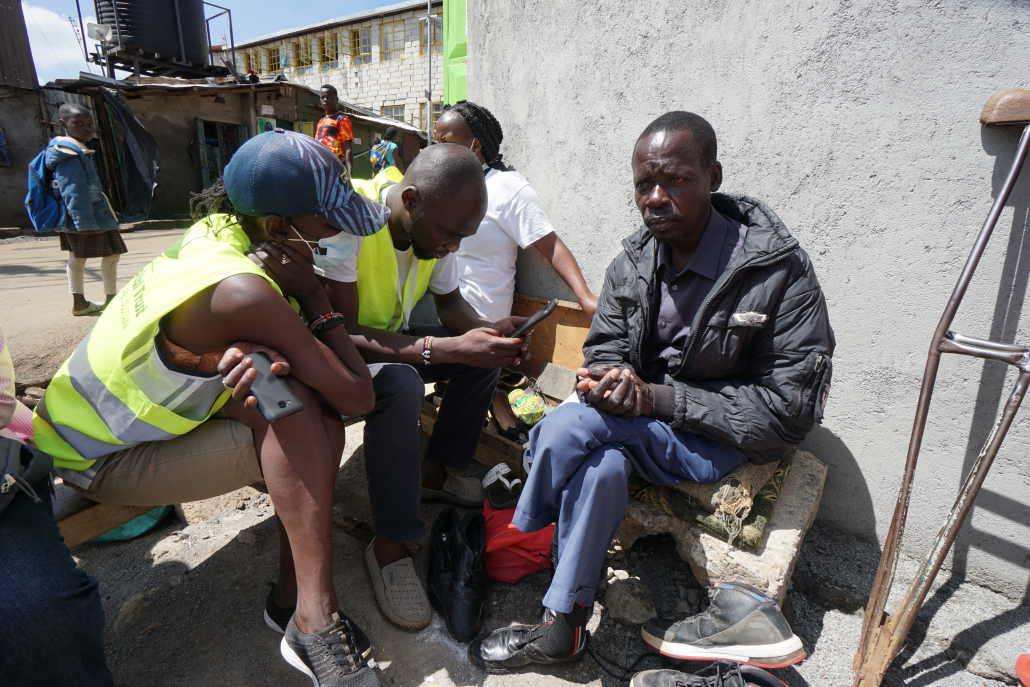
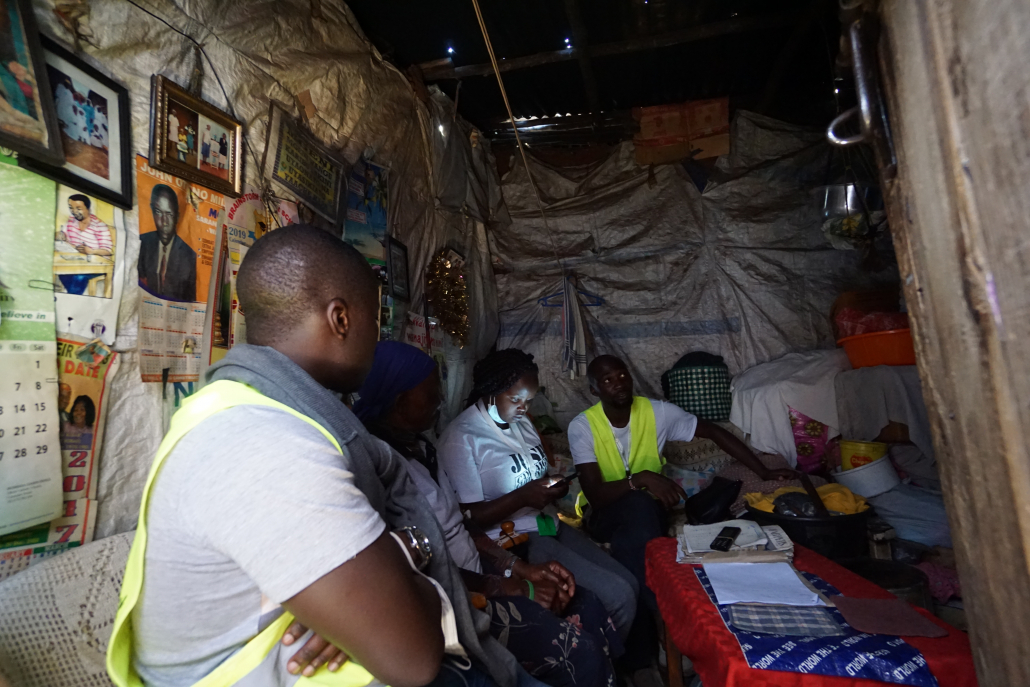
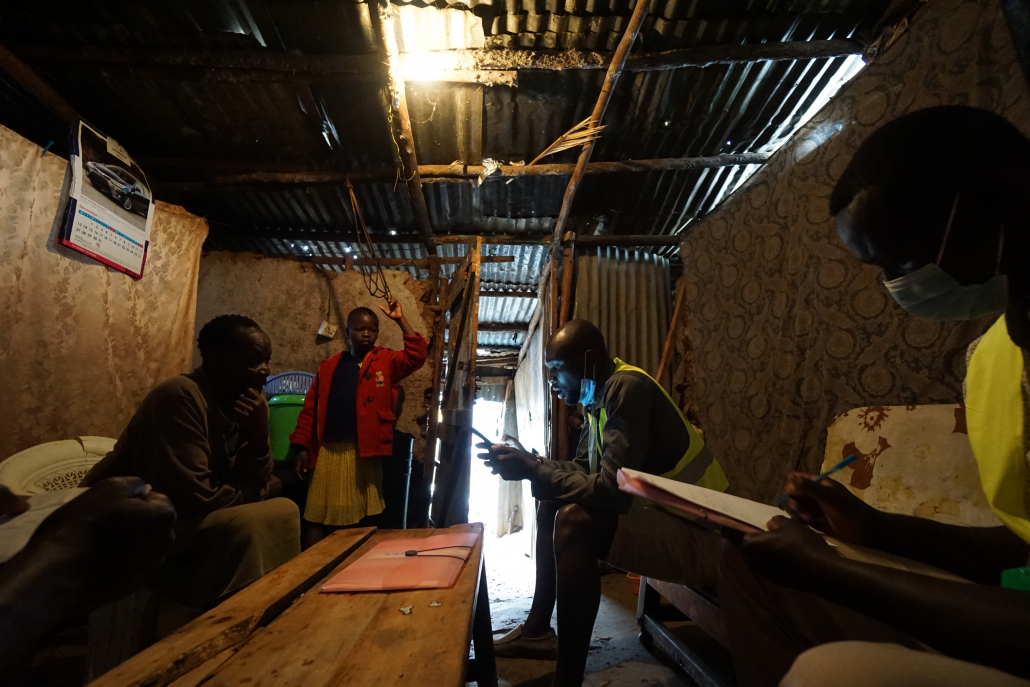
Kibera, located in Kenya’s capital Nairobi, is the largest slum in Africa, with organisations working in the area estimating its population at around one million people. Covering an area of 2.5 km², the settlement is characterised by extreme overcrowding and very poor public hygiene and public health conditions, resulting in extremely harsh living circumstances for its residents.
A field research we conducted in July 2021 revealed the close connection between rural areas and large urban slums. The findings outline a typical life trajectory in which people move to urban slums due to the lack of employment opportunities in rural areas, hoping to find work and support relatives who remain in their home villages. However, this stage of their lives is often intended to be temporary: in old age – or once they have managed to save sufficient funds – many wish to return to their place of origin. According to the research, the vast majority of Kibera’s residents (75%) migrated to the slum from rural areas.
ABOUT THE PROGRAMME
DURATION
2021-2023
DONORS
Hungary Helps Agency
PARTNERS
Natural Capital Trust
OUR OBJECTIVES
Unemployment and the lack of adequate services in rural areas encourage significant numbers of people to seek opportunities in cities. This rural–urban migration contributes substantially to the rapid population growth of large cities, a pace that local capacities are unable to keep up with, forcing a considerable proportion of the urban population to live in slums.
For the vast majority of those arriving from rural areas, the slum is intended only as a temporary stage, where they aim to save enough money to eventually return to their place of origin. The unfortunate reality, however, is that only a few succeed in doing so.
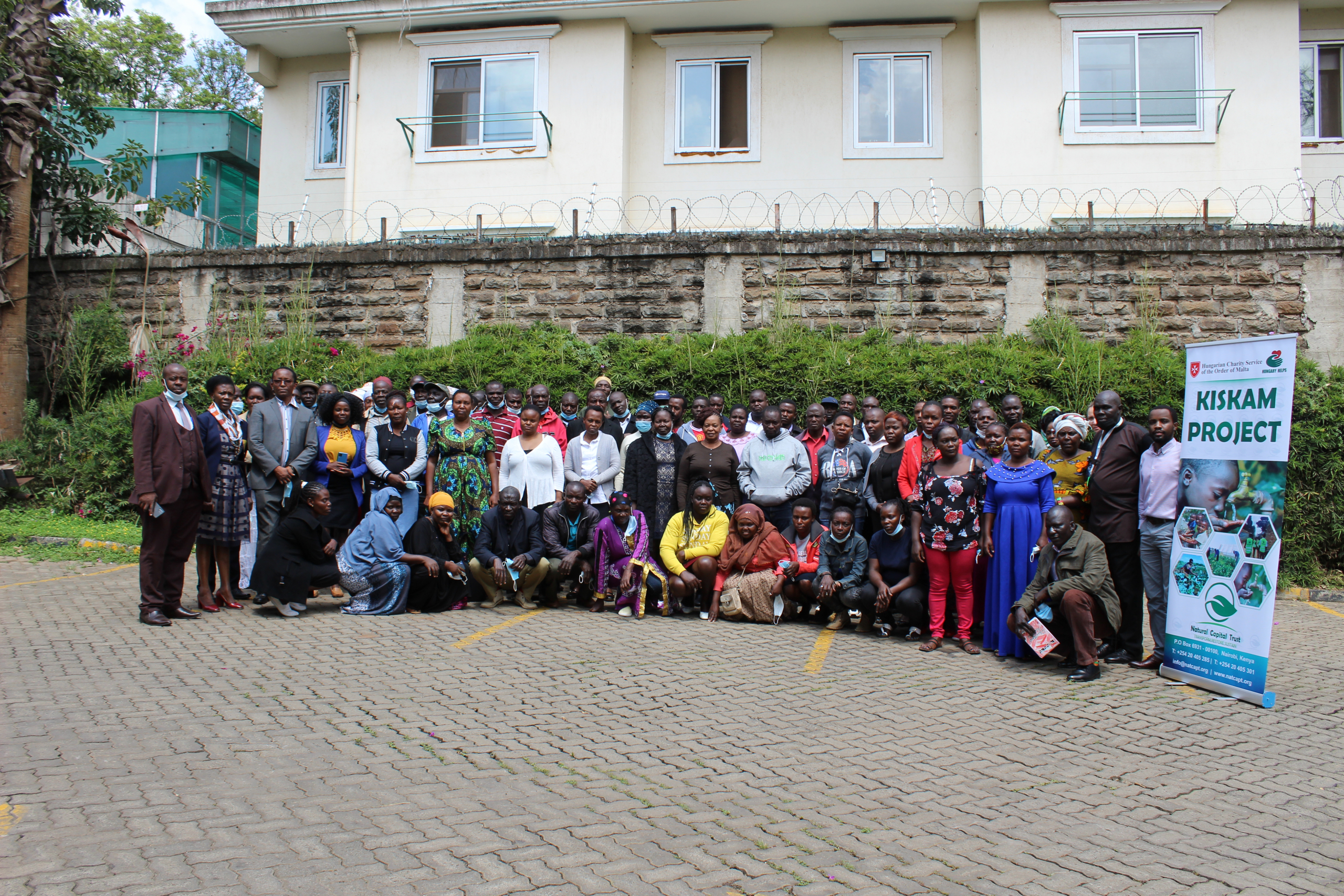
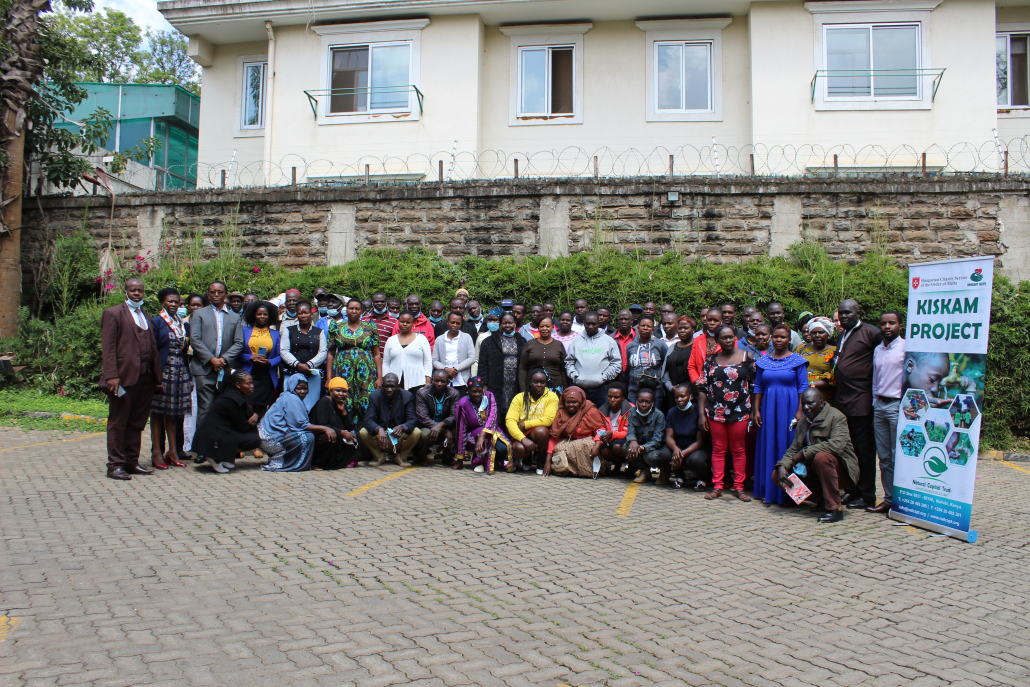
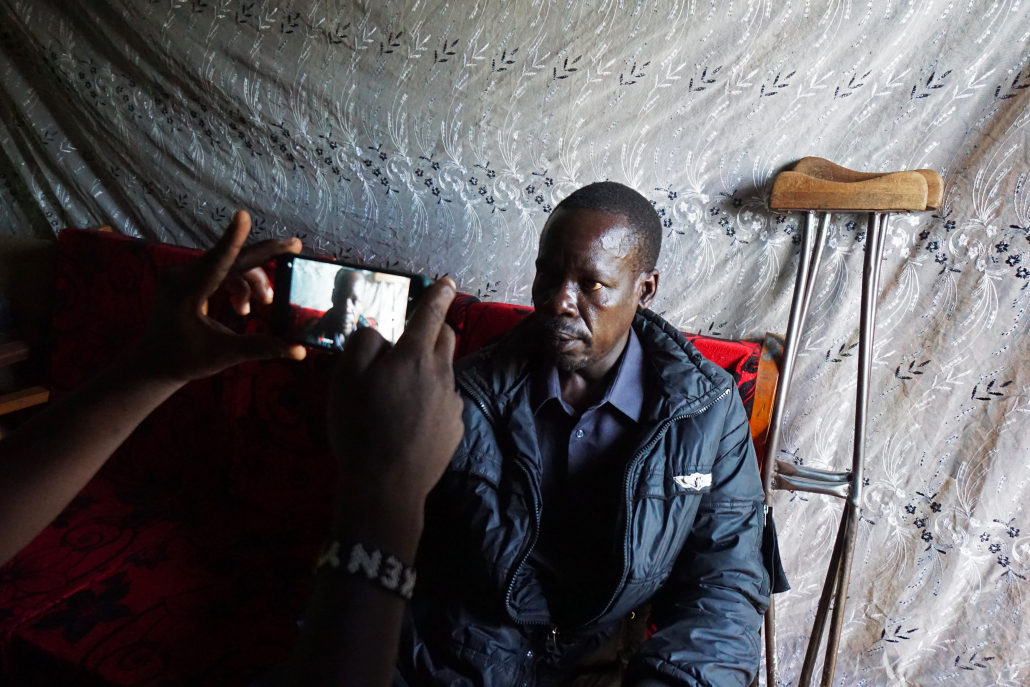
The objective of the repatriation programme is to support 50 families who wish to return to their rural homes. During the process, we prepare them through training to successfully adapt to the new economic environment, and we provide financial support for the implementation of their business plans. Following relocation, we continue to actively monitor their activities for one year and provide assistance whenever necessary.
HOW WE PROVIDE SUPPORT
Within the framework of the repatriation programme, we support 50 families who wish to return to their rural homes – to their own land and houses – and start a new life there. As the primary reason for rural migration is the lack of employment opportunities, beneficiaries are prepared through training to successfully adapt to the new economic environment. As an outcome of this process, they develop their own business plans. We provide financial support for the implementation of these plans and closely monitor the families’ livelihoods and activities during the implementation period, offering guidance and assistance whenever necessary.
GALLERY
The programme in pictures


National Headquarters
Department of Foreign Affairs
Hungary, 1011 Budapest, Bem rakpart 28.
Tel.: +36-1-391-4700
Fax: +36-1-391-4728
E-mail: nemzetkozi@maltai.hu