BACKGROUND
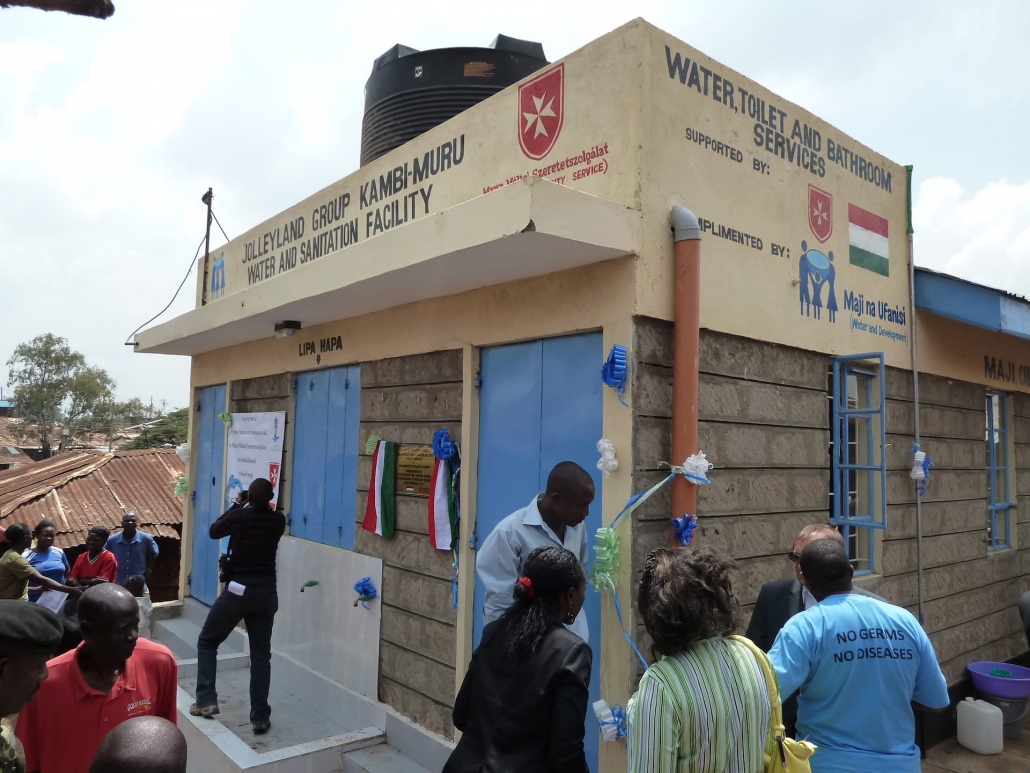
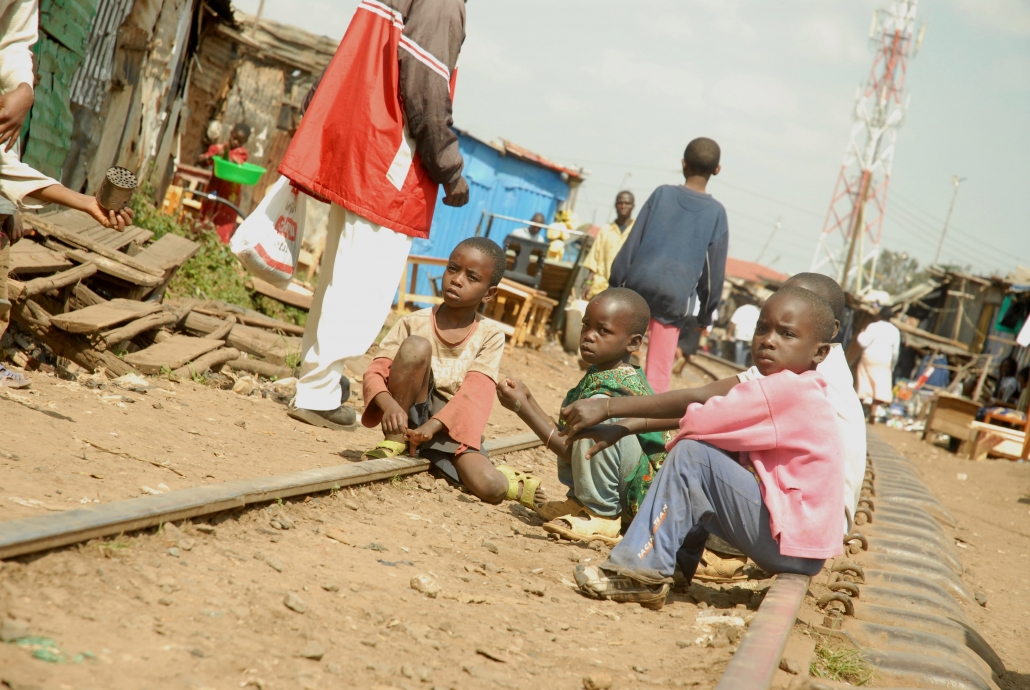
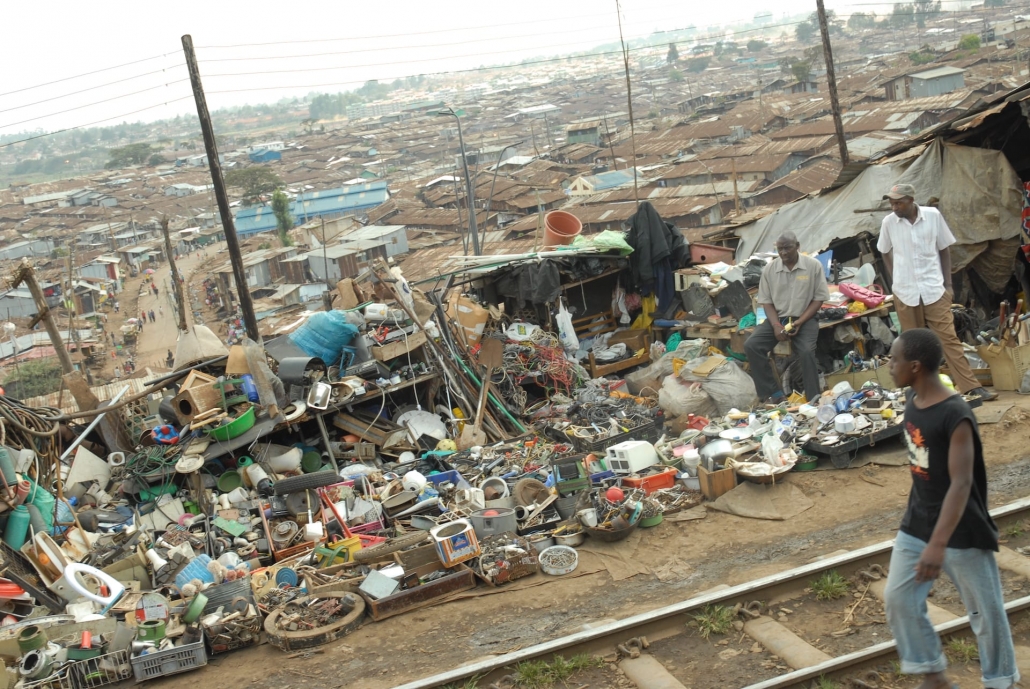
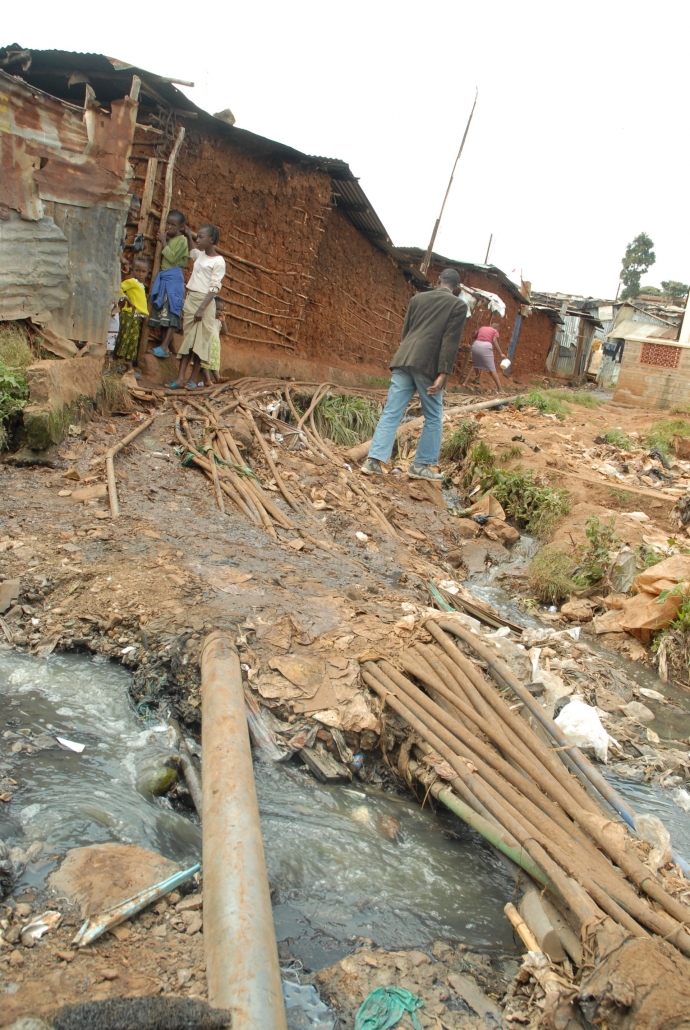
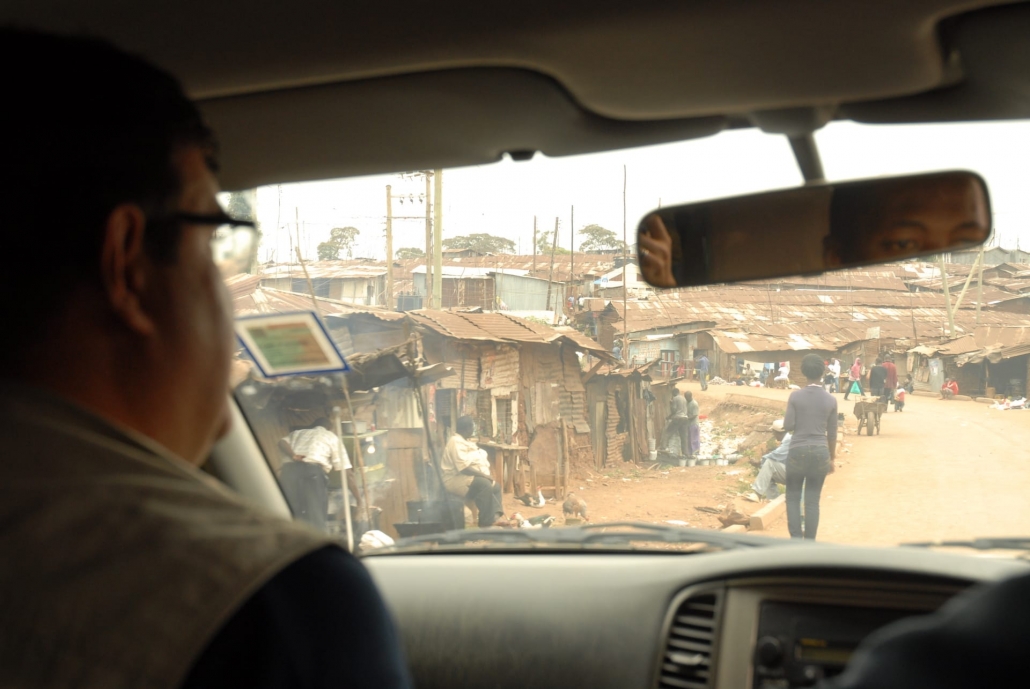
Kibera, widely recognised as the largest slum in Africa, is located in Nairobi, the capital of Kenya. The settlement covers an area of 2.5 km² and is estimated to be home to nearly one million people. Access to washing facilities and basic hygiene is largely absent; residents often use makeshift pit latrines shielded by corrugated metal sheets, typically shared by around 300 people. Another common practice is the so-called “flying toilet”, whereby bags filled with human waste are discarded in the open.
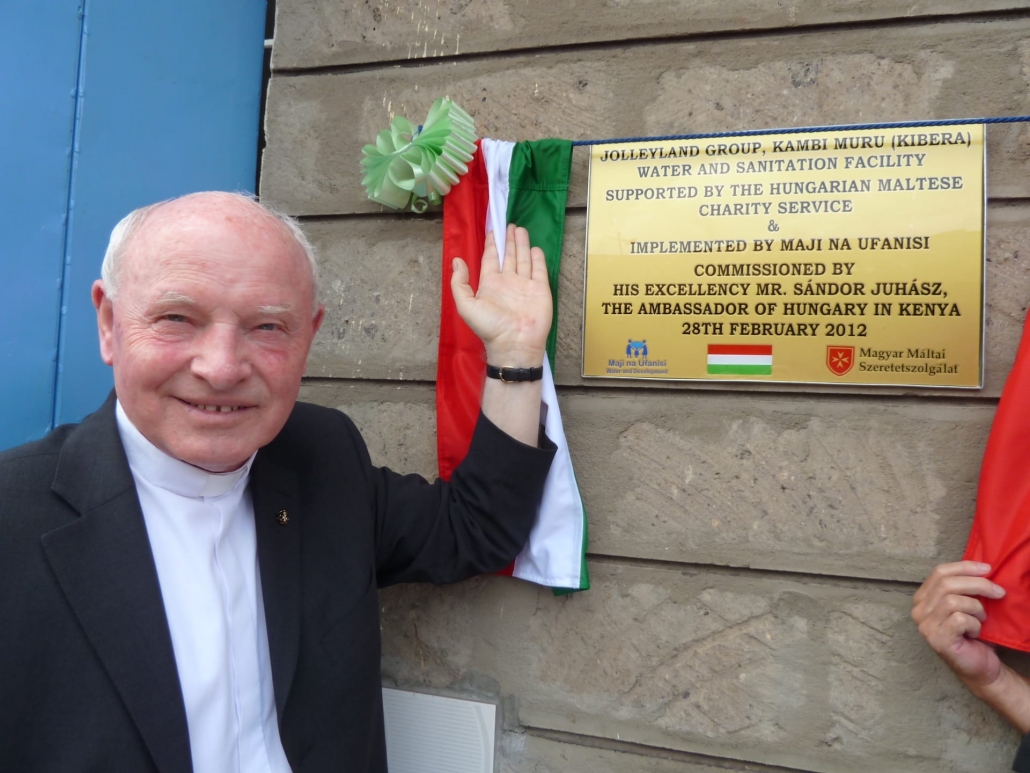
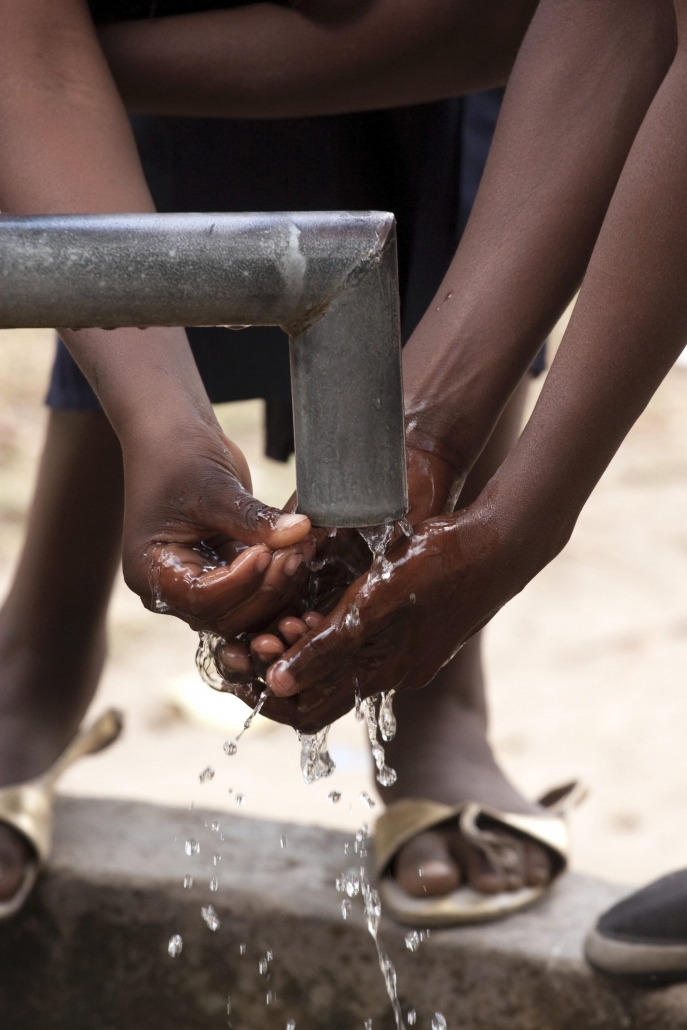
In order to improve the situation, the Hungarian Charity Service of the Order of Malta constructed a sanitation centre in 2012 in the Kambi Muru area of Kibera, which was subsequently renovated between 2015 and 2016. The 50–60 m² facility provides safe drinking water, washing and bathing facilities, as well as hygienic toilets for residents of the segregated area. Beyond improving public health conditions, the centre also enhances employment prospects, as access to washing facilities enables individuals to maintain a more presentable appearance.
To better understand the impact of the facility on the local community, a comprehensive assessment was carried out between 2019 and 2021, the findings of which also serve as a foundation for future development interventions.
ABOUT THE PROGRAMME
DURATION
2020-2021
DONORS
Own resources
PARTNERS
Natural Capital Trust, University of Nairobi
OUR OBJECTIVES
The aim of this micro-level comprehensive research is to measure the impact of the sanitation centre constructed by the organisation, as well as to analyse the broader environment, including the social structure of Kibera and the challenges faced by the local community. Through this, we seek to gain an accurate understanding of local living conditions and comprehensive insights into the slum and its residents.
The research serves four main functions:
- to provide feedback on the impact and operational effectiveness of the sanitation centre;
- to inform future WASH developments by identifying the current needs of the local community;
- to enable the evaluation of future interventions through the provision of baseline data for comparative analysis;
- to provide field experience for the organisation in conducting complex situational assessments in development contexts.
HOW WE PROVIDE SUPPORT
During the comprehensive assessment, a range of research tools were applied to gain a detailed understanding of the impact of the sanitation centre on both its immediate and wider environment, including:
- questionnaire surveys conducted with a representative sample of 100 respondents in the catchment area of the centre, with the involvement of 10 local research assistants;
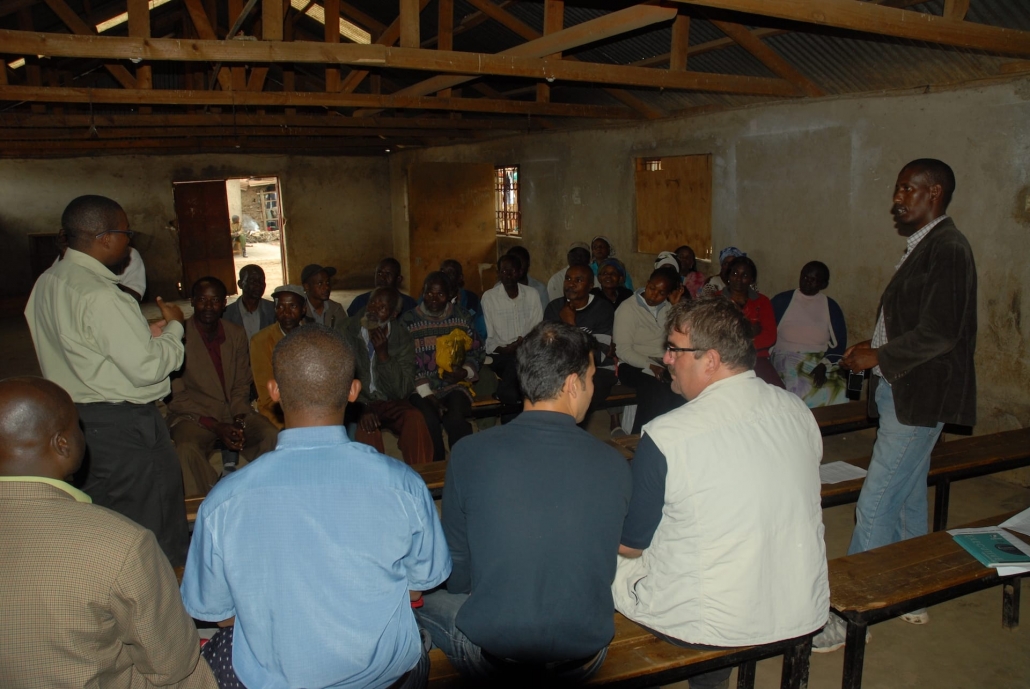
- in-depth interviews with key members of the local community;
- in-depth interviews with relevant experts in the field;
- assessment of the physical and infrastructural condition of the sanitation centre.
The results of the research have been processed, and a summary publication based on the findings will be released shortly.
GALLERY
The programme in pictures

National Headquarters
Department of Foreign Affairs
Hungary, 1011 Budapest, Bem rakpart 28.
Tel.: +36-1-391-4700
Fax: +36-1-391-4728
E-mail: nemzetkozi@maltai.hu