BACKGROUND
Uganda, an East African country with a population of over 47 million, has a post-independence history marked by violent dictatorship, civil wars, military coups, and both direct and indirect involvement in armed conflicts in neighbouring countries.
In recent decades, a more stable domestic political environment has enabled notable economic growth and a reduction in poverty. Nevertheless, the country remains highly vulnerable to external economic shocks. Persistent poverty, significant unemployment, and low-quality public services are further exacerbated by the arrival of more than one million refugees from neighbouring countries in recent years.
WHY DO WE WORK HERE?
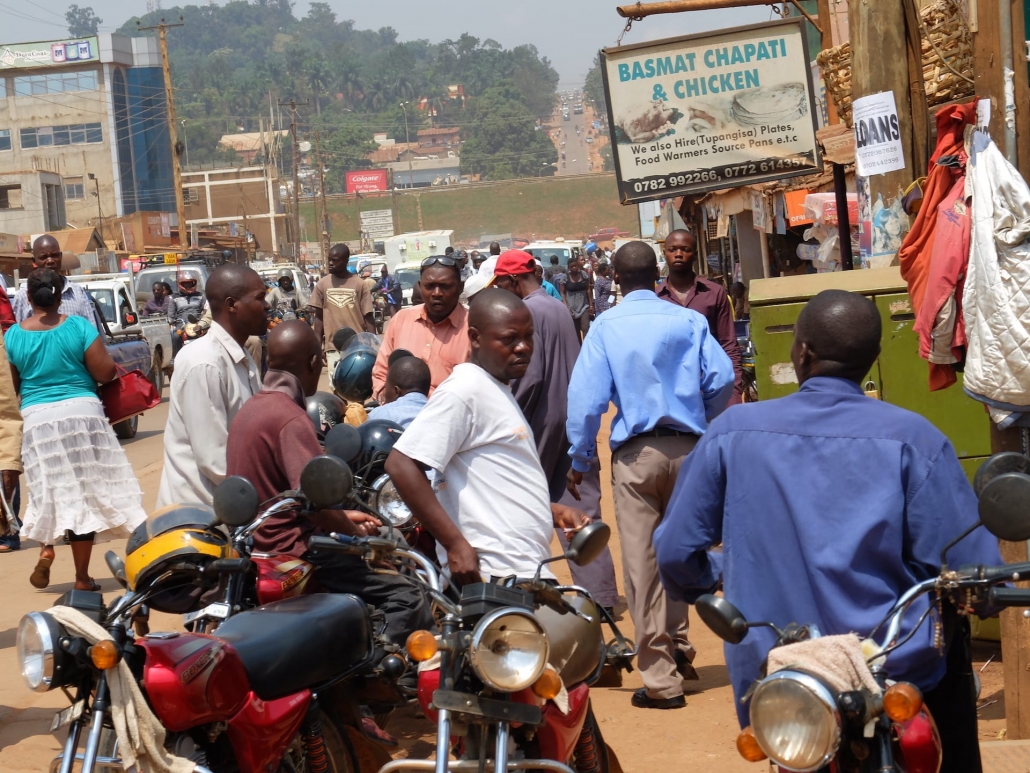
In Kampala, Uganda’s capital, a large proportion of residents in urban slum areas lack access to safe drinking water and basic hygiene services. On average, a single constructed WASH facility is used by around thirty individuals or seven households. However, these settlements typically still lack legal connections to the municipal water network.
A common solution in slums is the construction of simple latrines, which quickly deteriorate due to extreme overuse. The level of assistance available in these areas is insufficient to keep pace with worsening public health conditions.
Both in settlements and in under-resourced schools, serious water and sanitation challenges persist, highlighting the need for sustainable public health systems. Unfortunately, local government capacities to address these issues remain limited.
The development initiated by the Hungarian Charity Service of the Order of Malta in Kampala aims to go beyond earlier Kenyan sanitation centre models by incorporating environmentally sustainable solutions. The newly constructed kiosks, based on active-house technology, are complemented by biogas utilisation systems.
OUR PARTNERS

- Our main local partner is SSWARS, a Ugandan civil society organisation specialising in water development. Within the framework of the programme, a cooperation agreement has been established with the leadership of the elected community body, stipulating that the centre will be constructed partly through their contribution and that its maintenance will largely be the responsibility of the local community. This ensures strong local ownership, as the community has a direct interest in the creation, operation and sustainability of the facility. While professional oversight is provided by our main partner, day-to-day maintenance is carried out by community representatives, with the involvement of external support staff.
- The professional quality of the programme is further supported by UWASNET, an umbrella organisation representing Ugandan civil society organisations, led by Doreen Wandera Kabasindi. Acting in a pro bono capacity, the organisation provides advisory support to the programme and equips NGOs in the country with advocacy, legal and economic tools.

National Headquarters
Department of Foreign Affairs
Hungary, 1011 Budapest, Bem rakpart 28.
Tel.: +36-1-391-4700
Fax: +36-1-391-4728
E-mail: nemzetkozi@maltai.hu