BACKGROUND
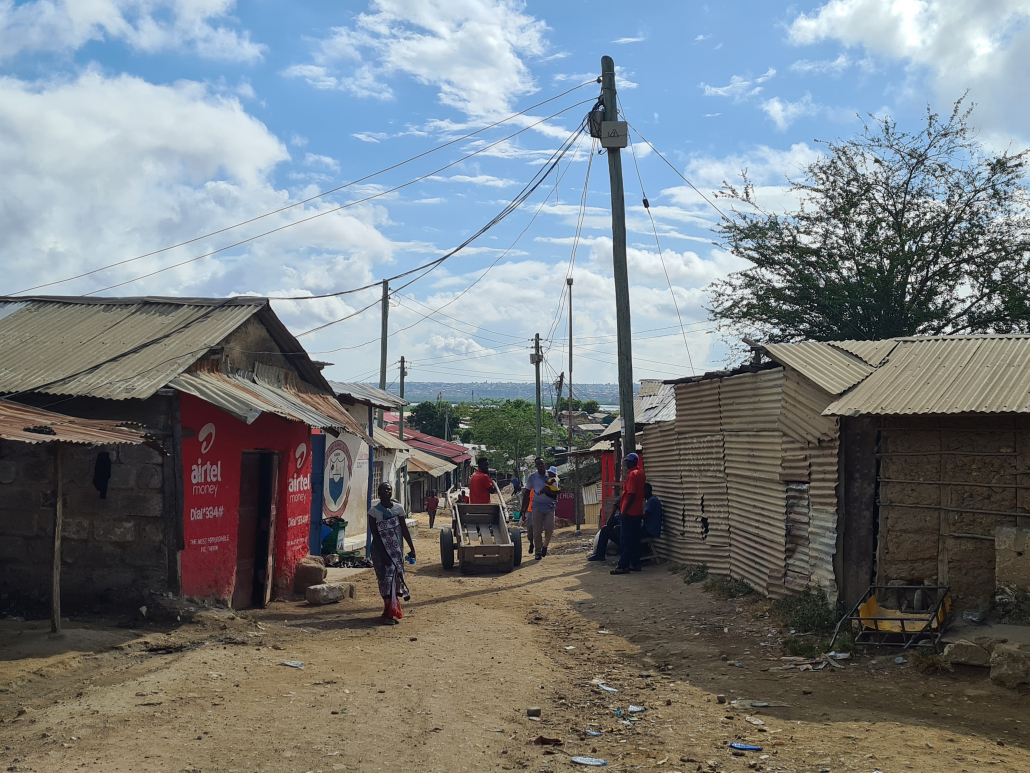
In Mombasa, Kenya’s second-largest city, slums have existed since the earliest development of the town itself. Today, approximately 50 such neighbourhoods lacking urban utilities and adequate public services can be found across the city, where around 65% of the population is compelled to live.
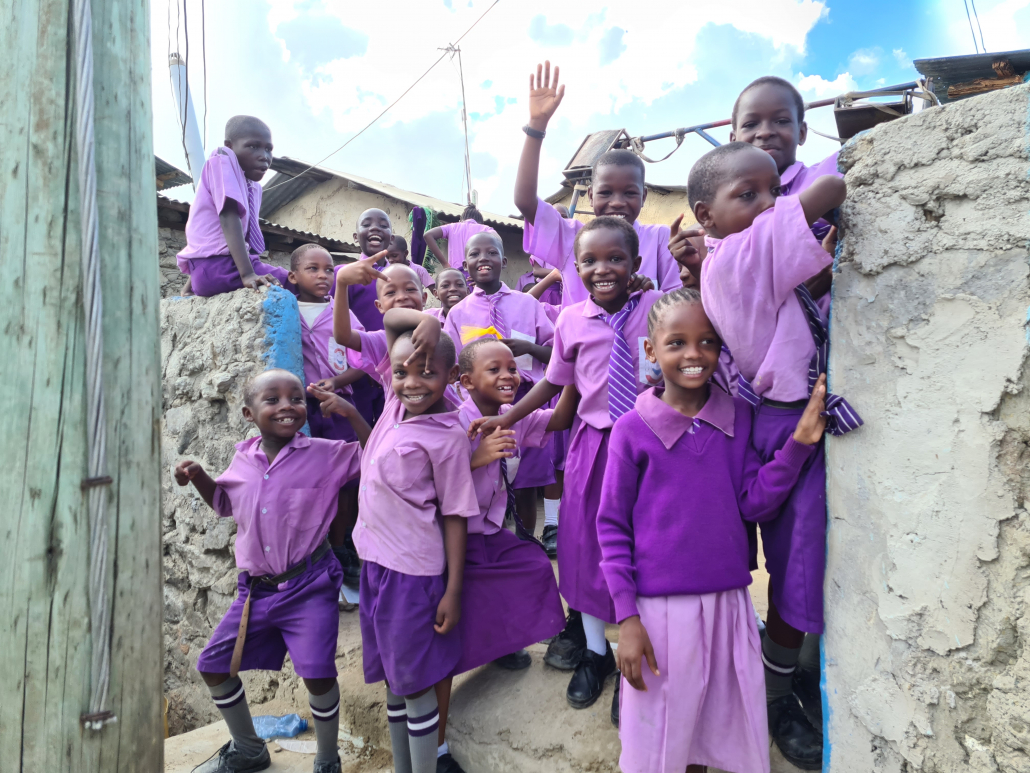
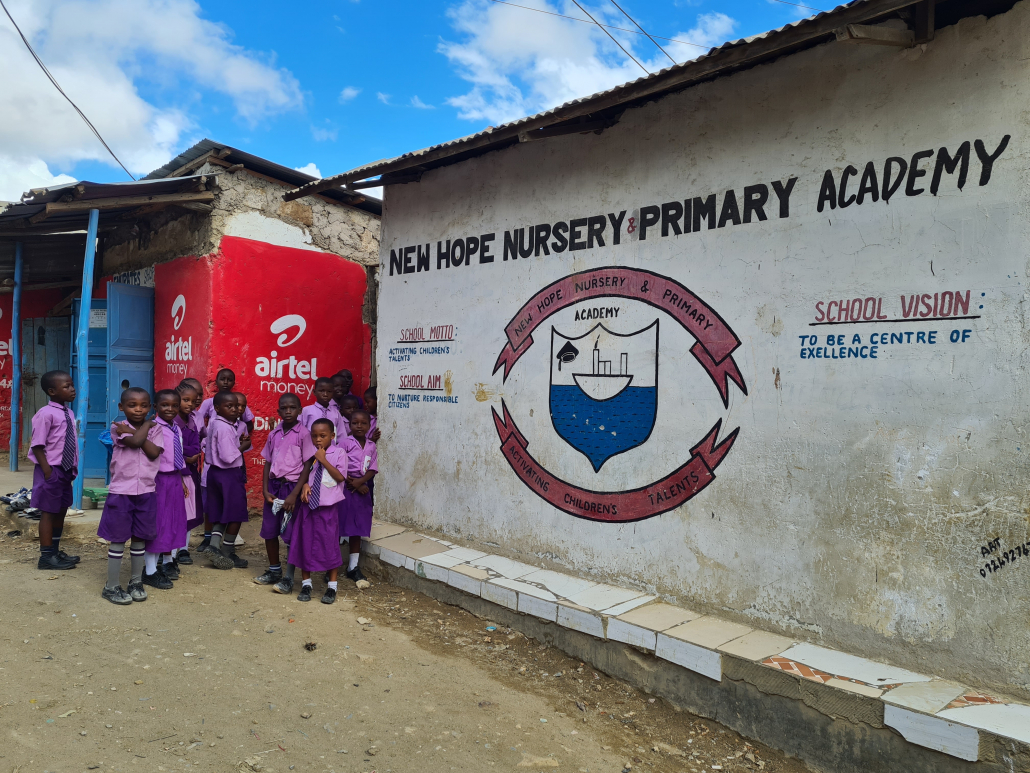
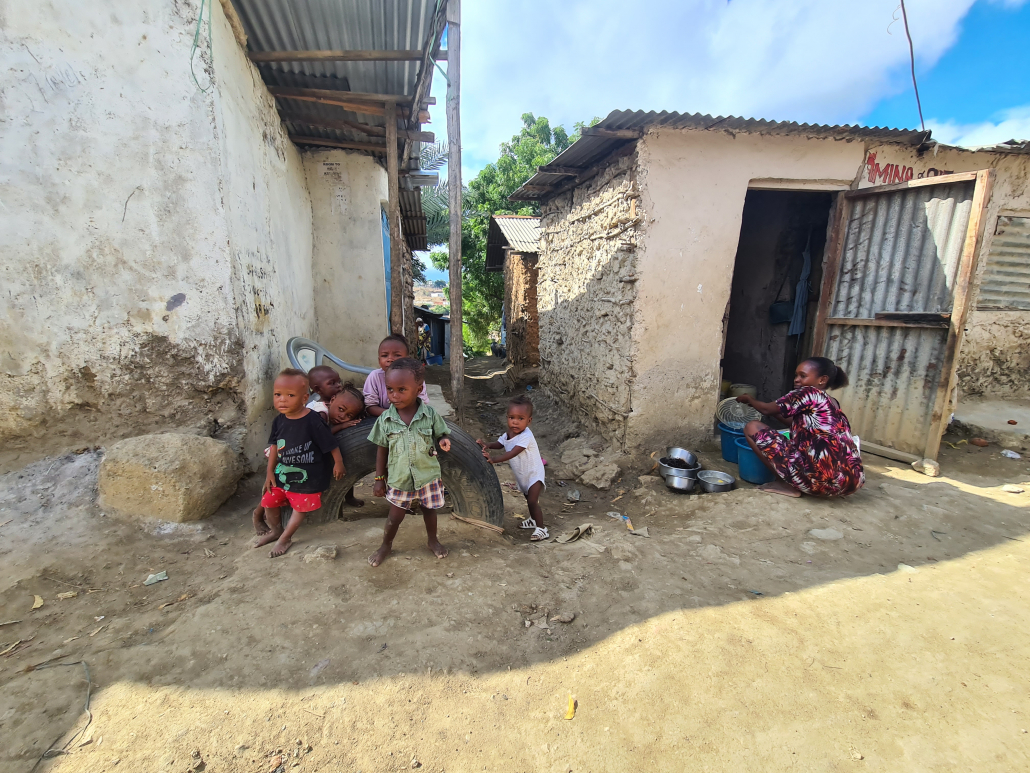
Bogo Bogo is a relatively young informal settlement located in the Jomvu district of Mombasa. The district has a total population of approximately 23,000 people, the majority of whom live in slums. Living standards in Bogo Bogo are extremely low, and residents face numerous challenges in their daily lives. From an economic perspective, Bogo Bogo struggles with high levels of poverty and unemployment. Limited employment opportunities and low wages make it difficult for residents to break out of the cycle of poverty and improve their economic situation.
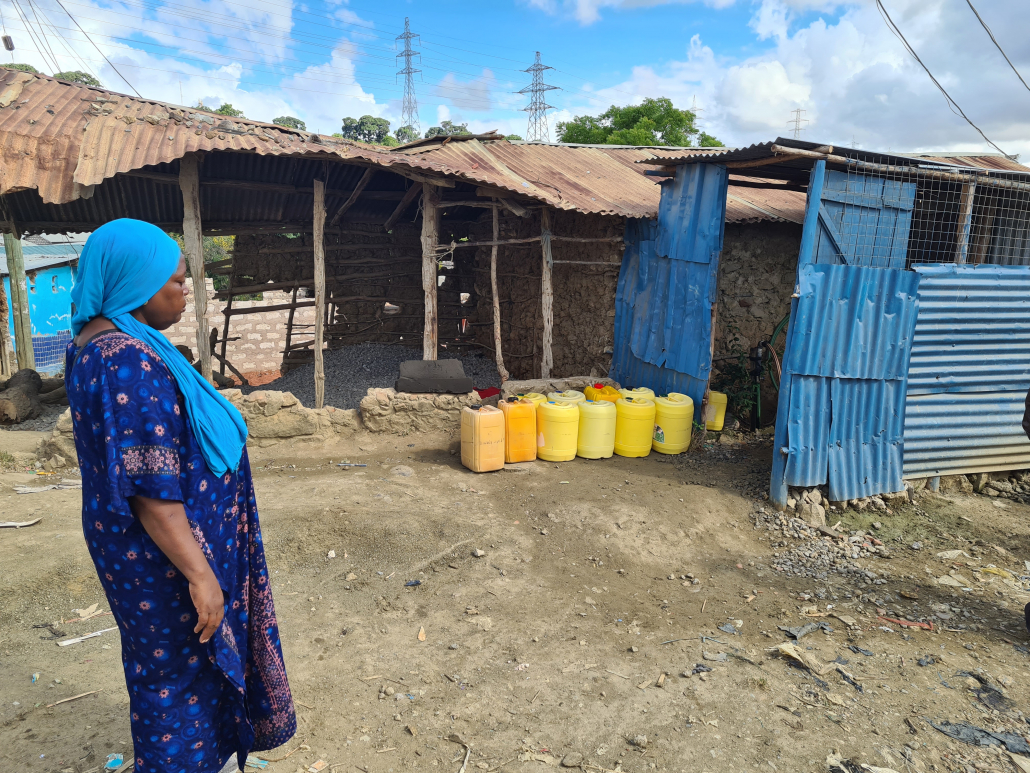
In these areas, insecurity and crime represent persistent problems, as the lack of adequate lighting and the overcrowded living conditions expose residents to theft and violence. The densely packed shacks do not provide adequate protection for their inhabitants and lack all forms of basic utilities. Within the settlement, essential services such as clean water, sanitation and electricity are only available to a very limited extent. As a consequence, public hygiene conditions are extremely poor, posing a significant health risk to the community.
ABOUT THE PROGRAMME
DURATION
2023-2025
DONORS
Hungary Helps Agency
PARTNERS
Maji Na Ufanisi, MOWASSCO – Mombasa Water and Sanitation Company
BUDGET
20 000 000 HUF
OUR OBJECTIVES
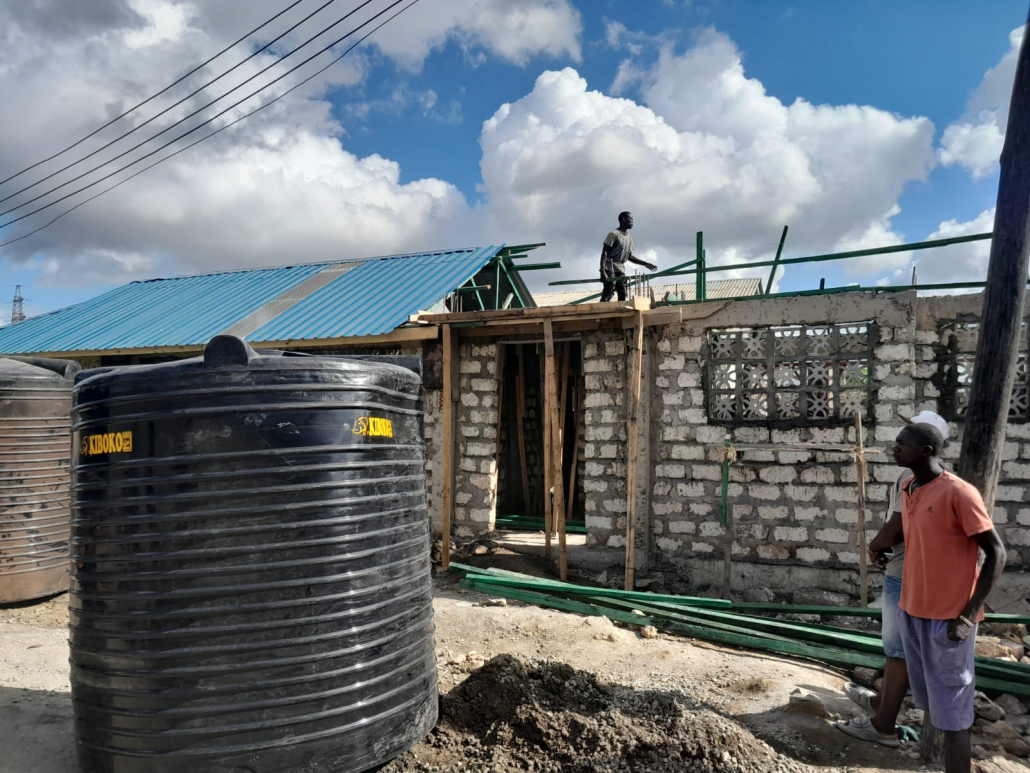
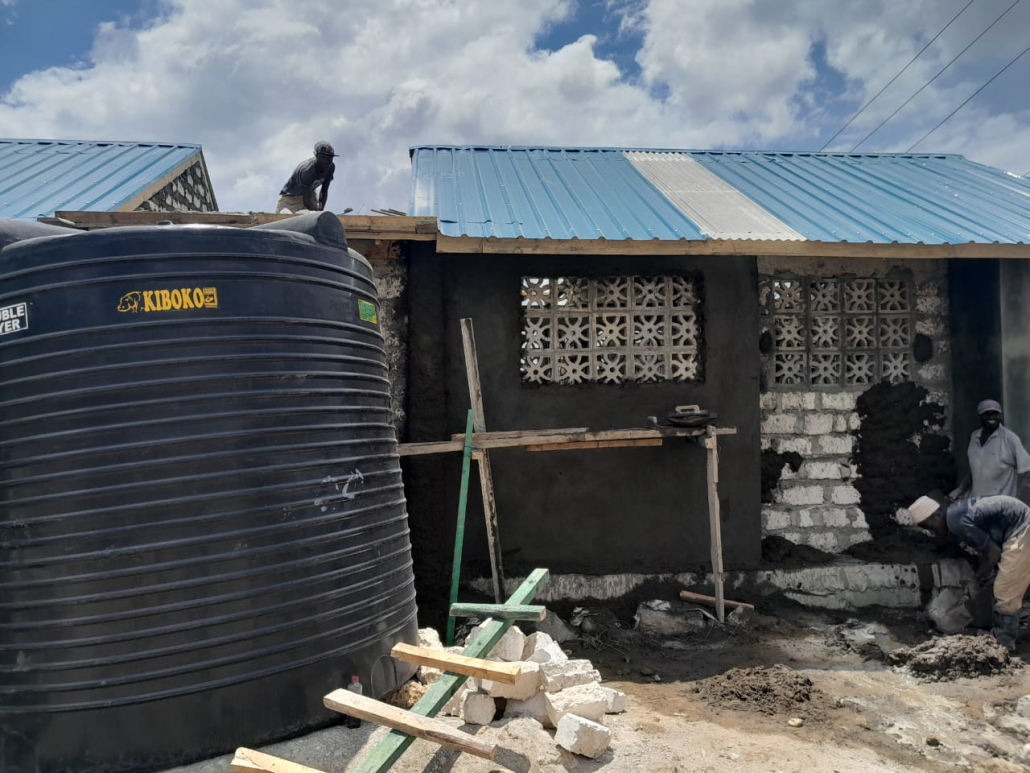
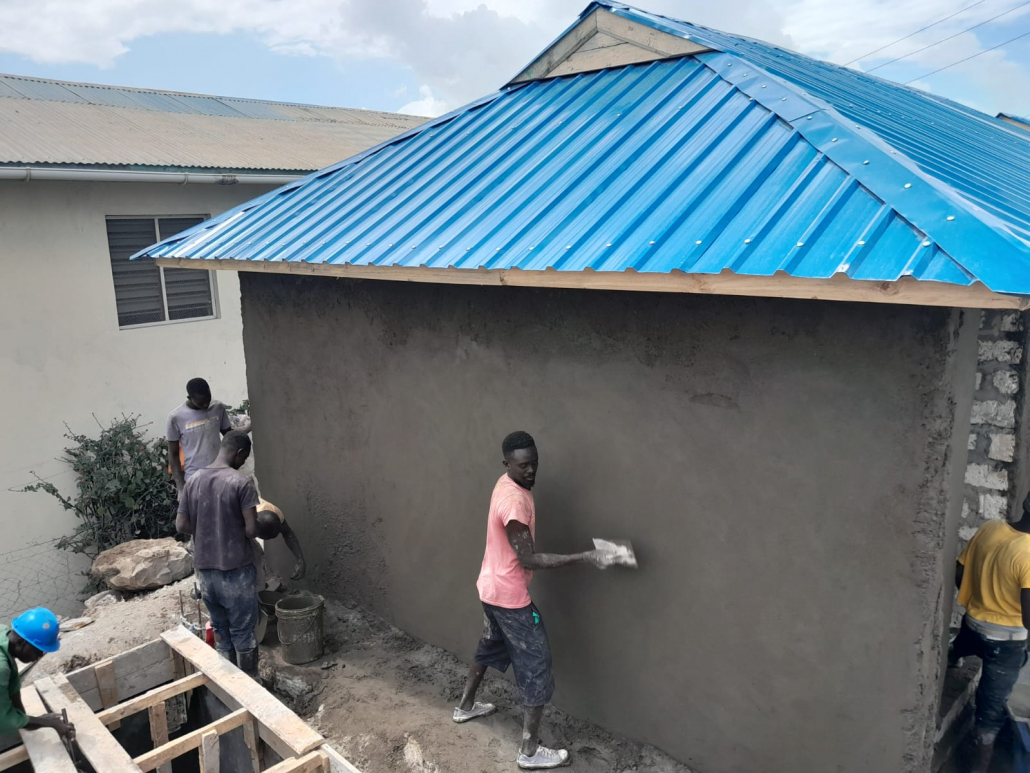
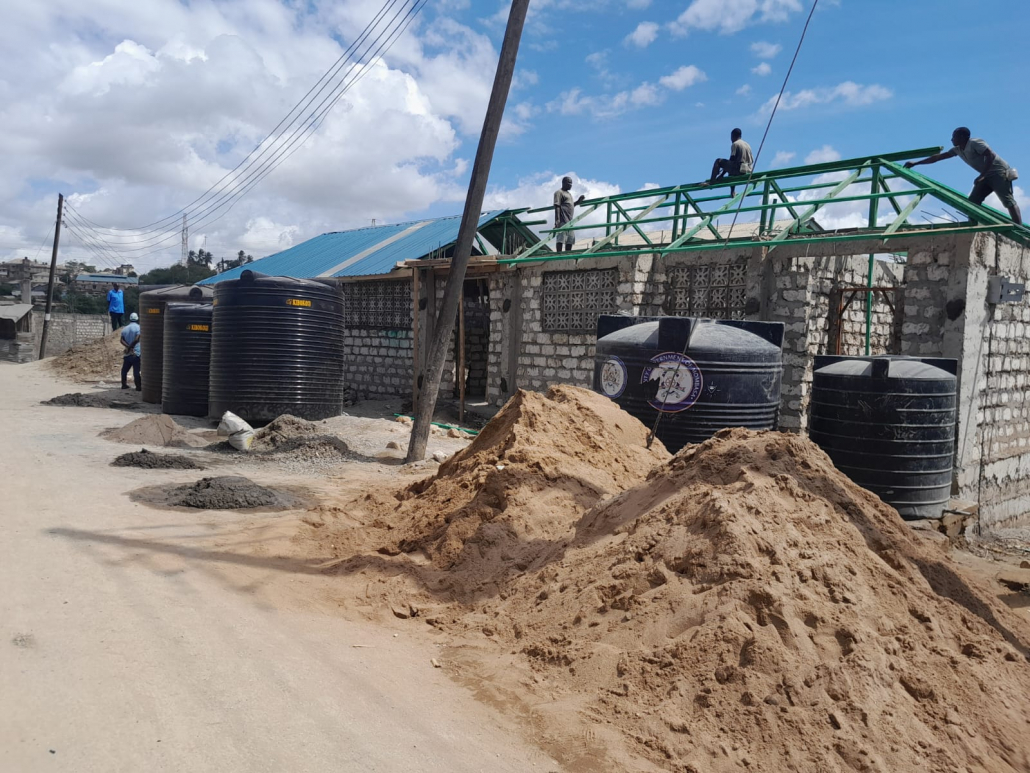
The objective of the project is to improve access to water and sanitation – and consequently public health conditions – in Bogo Bogo, one of the youngest informal settlements in Mombasa. Within the framework of this complex project, we are constructing a sanitation centre that will provide safe drinking water and hygienic sanitation facilities directly to 2,600 residents, a number that may increase to up to 5,500 people during periods of water scarcity.
The integrated development also includes training for the local community in the operation of the revenue-generating facility, as well as in basic hygiene practices. These activities aim to ensure long-term sustainability and maximise the positive impact of the project within the local community.
HOW WE PROVIDE SUPPORT
In implementing the project, we are able to rely on local experience, field expertise and a professional partnership spanning more than a decade. Our implementing partner is Maji Na Ufanisi (Water and Development), Kenya’s largest and one of the most long-established civil society organisations working on water and sanitation issues. Since 2012, we have successfully cooperated with the organisation in the construction of sanitation centres in several slums in Kenya (Kibera – Nairobi, Bangladesh – Mombasa).
The centre being constructed within the framework of this project represents the first such development within the settlement, making it of particular importance in addressing local needs.
GALLERY
The programme in pictures

National Headquarters
Department of Foreign Affairs
Hungary, 1011 Budapest, Bem rakpart 28.
Tel.: +36-1-391-4700
Fax: +36-1-391-4728
E-mail: nemzetkozi@maltai.hu